Courses Horizontal directional drilling (HDD)
ST01G-FHD FREN
Horizontal Directional Drilling
Principle, equipment, the three drilling stages, the role of soils and bentonite, guidance and design.
Module preview
4 of 46 slides, as they appear in the module.
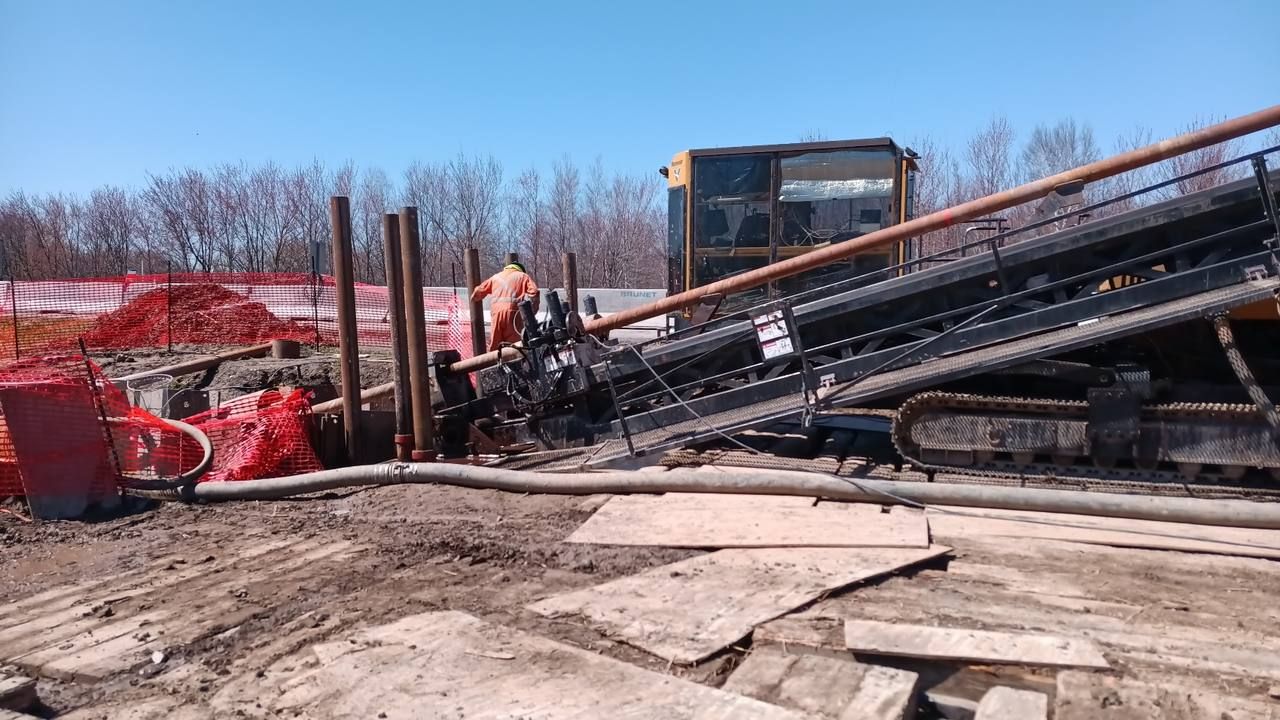
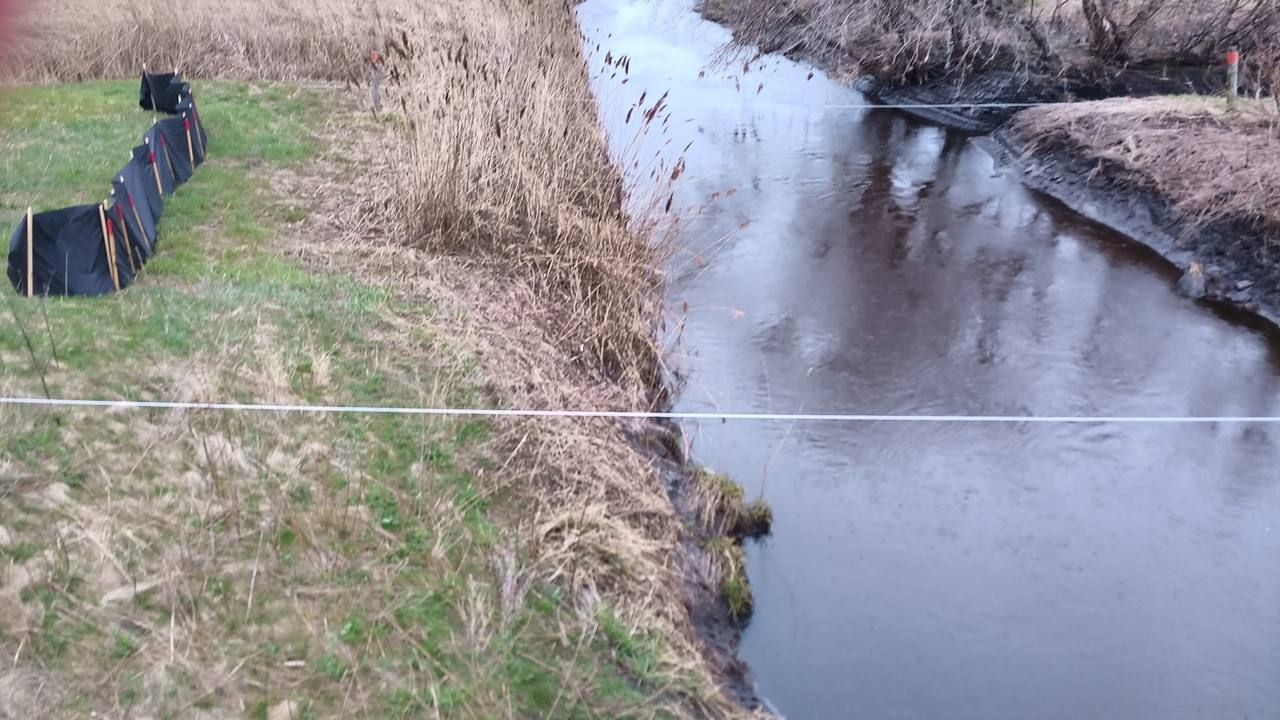
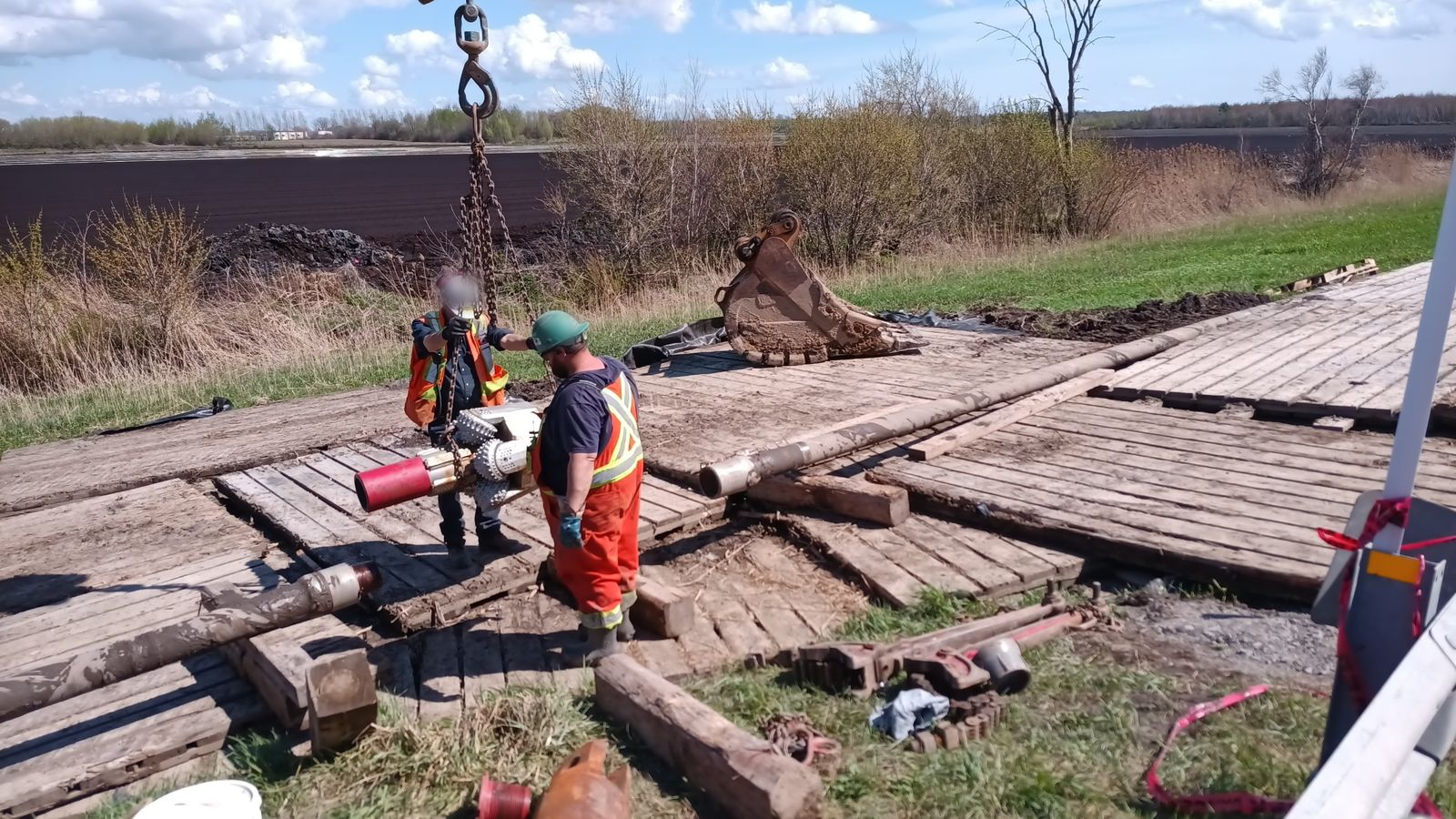
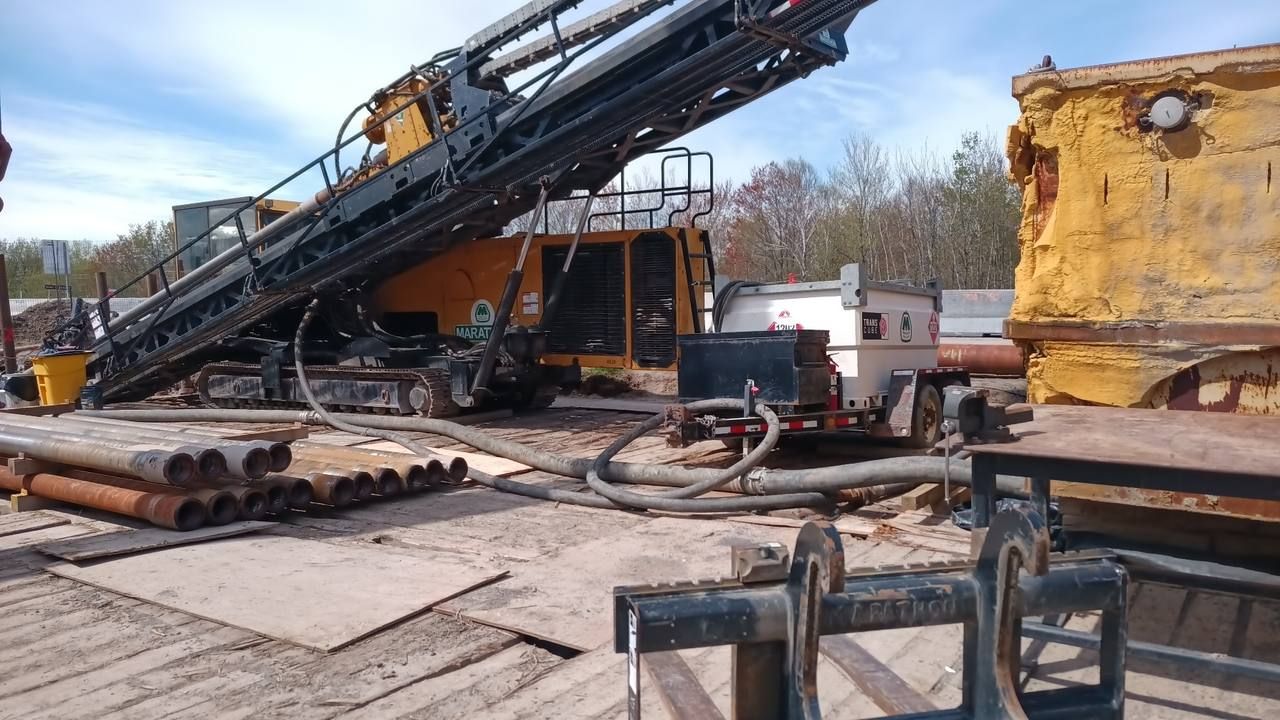
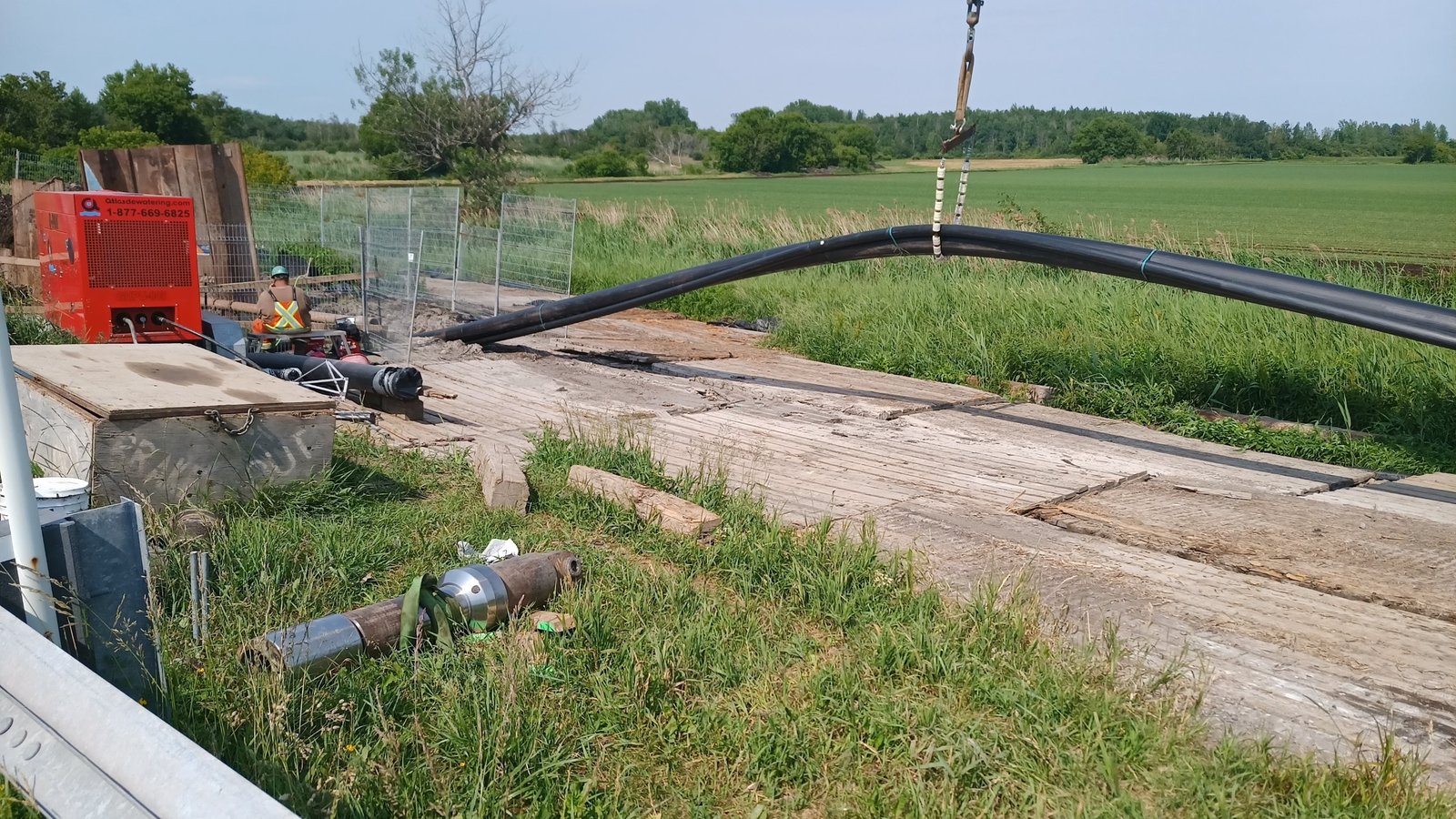
Horizontal directional drilling (HDD) is used to cross a watercourse, a road or a highway, and to install long lengths of pipe in a single pull. This module presents the principle, the equipment and the method, then focuses on what makes a bore succeed or fail: soil conditions, guidance and drilling fluids.
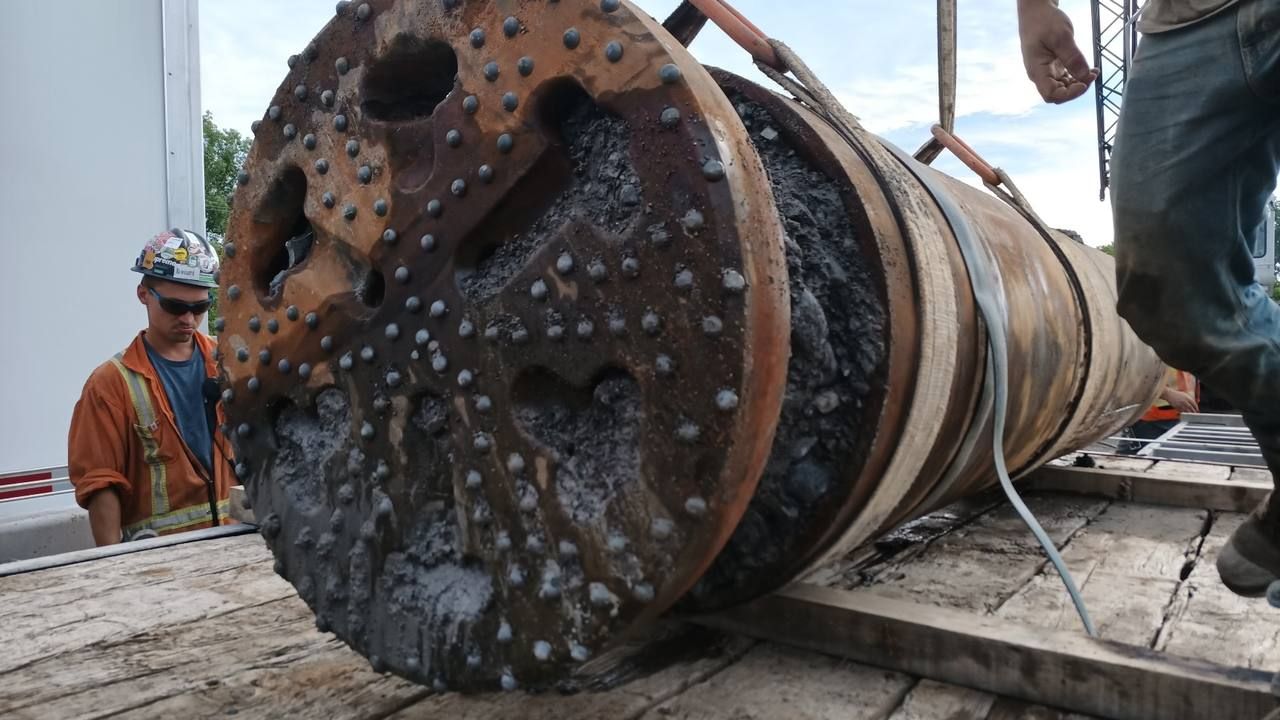
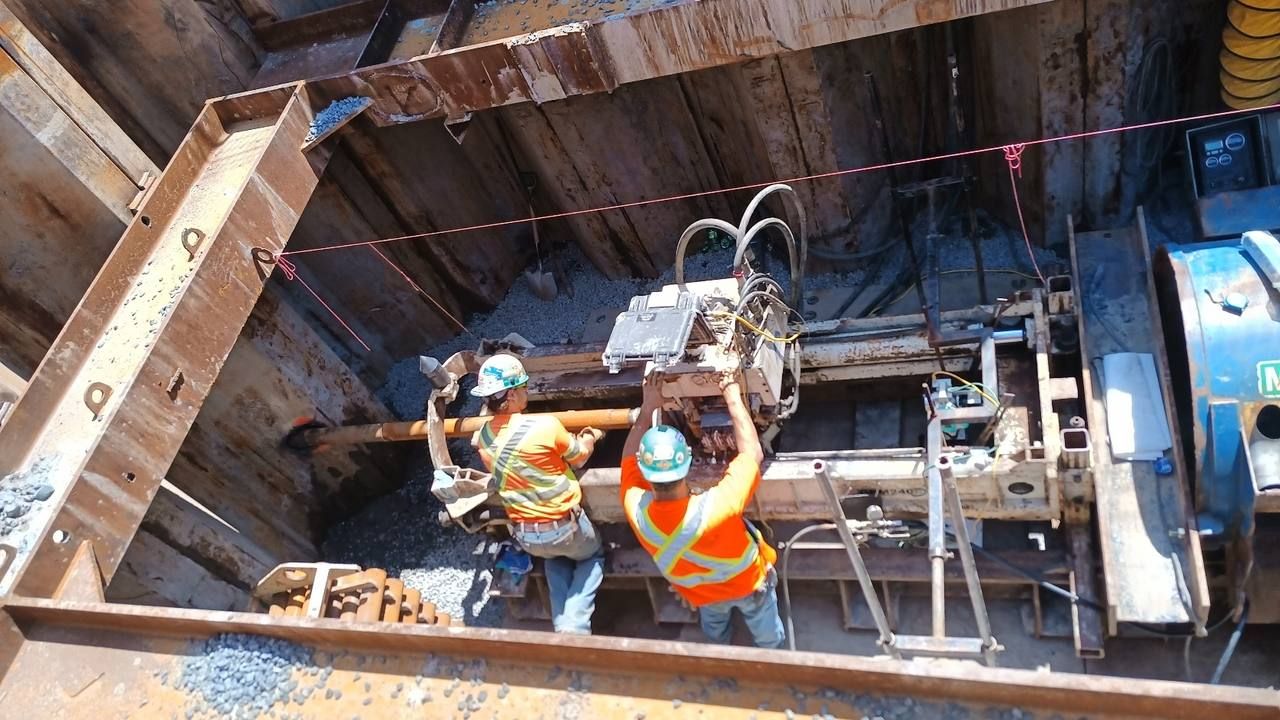
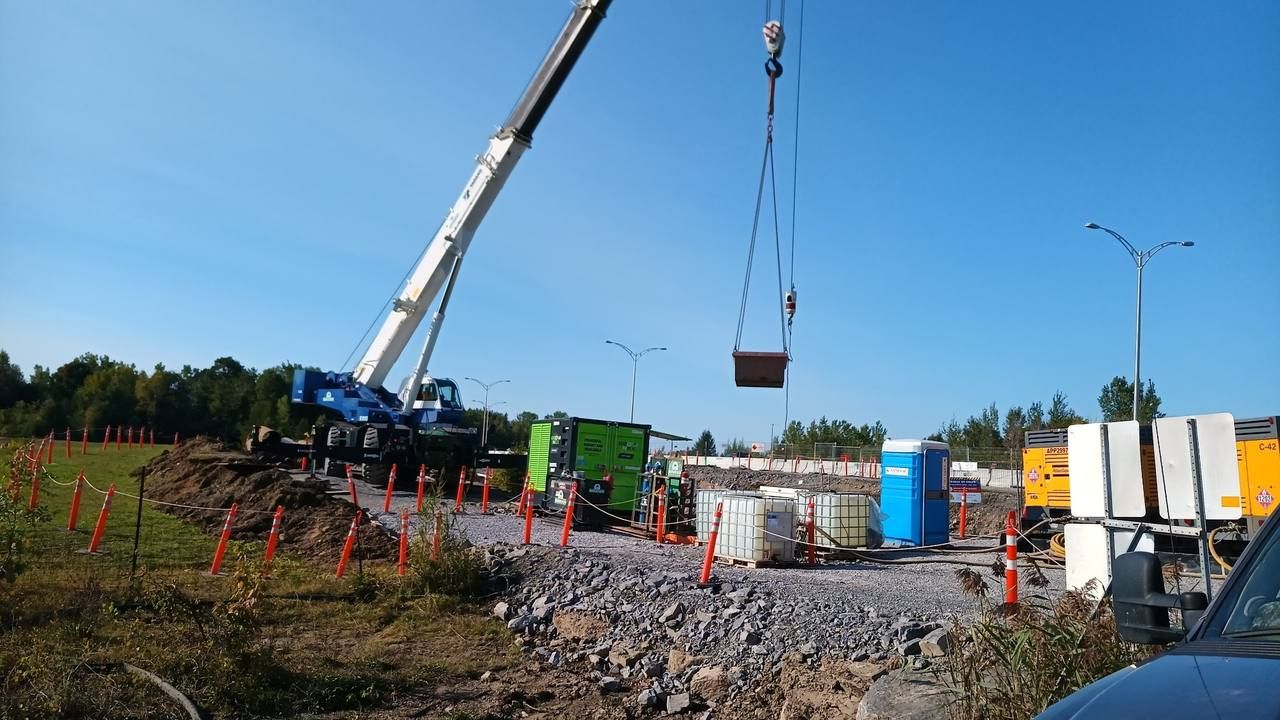
It draws on site photos and specifies what the designer must study and require from the contractor.
Objectives
By the end of the module, you will be able to:
- Define horizontal directional drilling and recognize when it is the right choice
- Describe the equipment and the criteria for selecting a directional drill rig
- Explain the three stages: pilot hole, reaming, pullback
- Identify the limits of the technique and the decisive role of soils
- Distinguish between guidance systems
- Explain the role of bentonite and the plans to require from the contractor
Outline
- Definition and field of application
- Equipment: the drill rig and selection criteria
- The three stages: pilot hole, reaming, pullback
- Limits and conditions for success: soil conditions
- Guidance systems
- Drilling fluids (bentonite) and the plans to require
- Engineering and design
Other modules
-
 FREN ST01G-CFD
-
 FREN ST01G-FHR
-
 FREN ST01G-FON
-
 FREN ST01G-TAR
-
 FREN ST01G-MFT
-
 FREN ST01G-FHG
-
 FREN ST01G-SST