Courses Pipe ramming
ST01G-FON FREN
Steel Casing Pipe Ramming
Driving a steel casing with a pneumatic hammer: method, annular space, vibrations, equipment and lessons learned.
Module preview
4 of 24 slides, as they appear in the module.
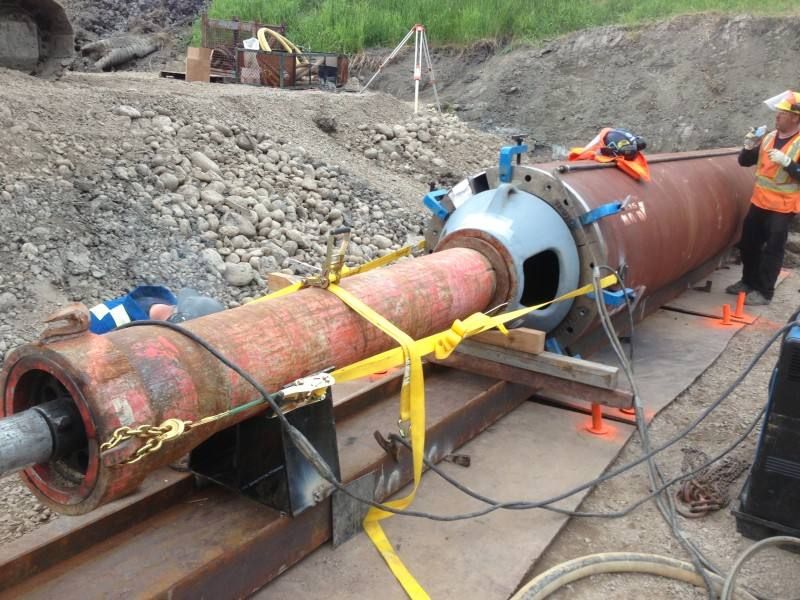
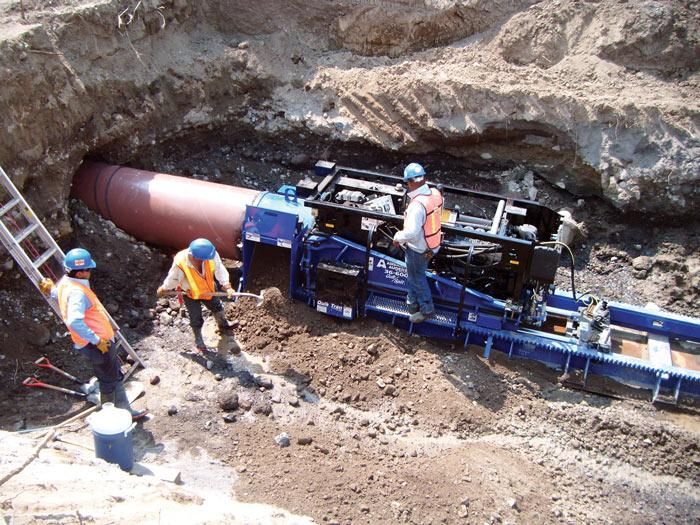
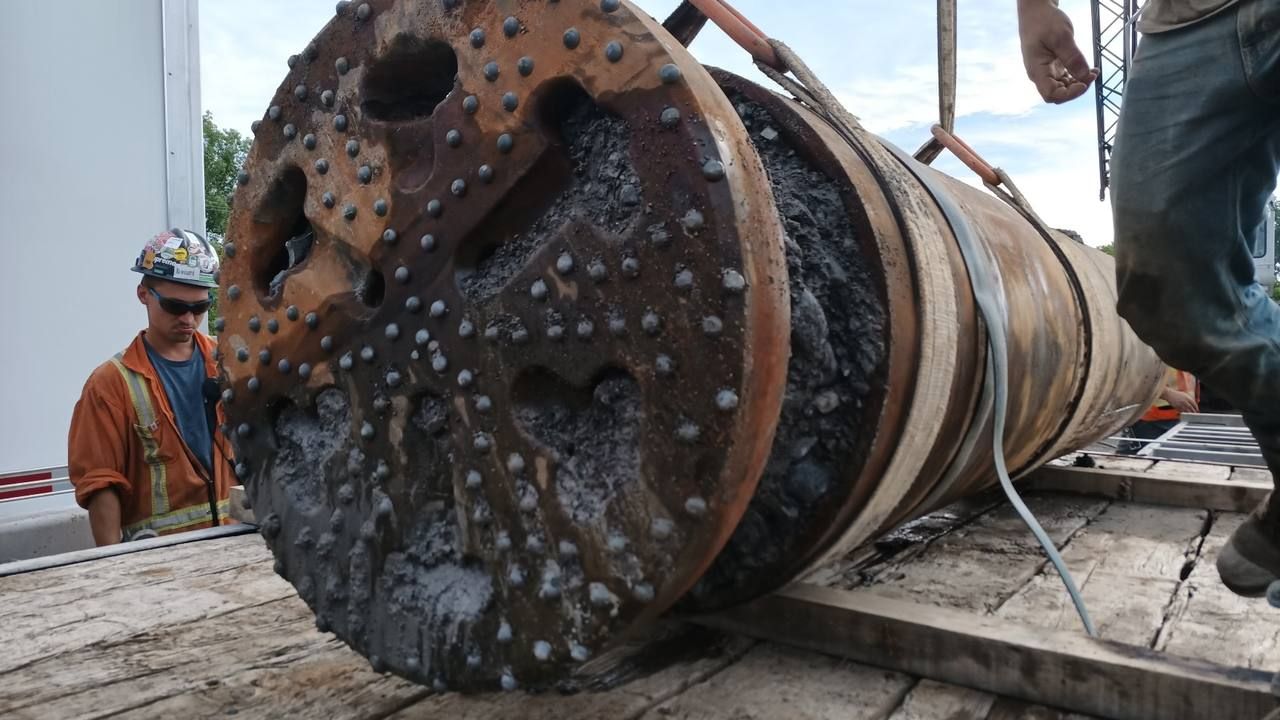
Pipe ramming drives a steel casing into the ground with a pneumatic hammer, keeping the soil inside. It is the method that creates the least annular space, which is why it is valued under railways and highways.
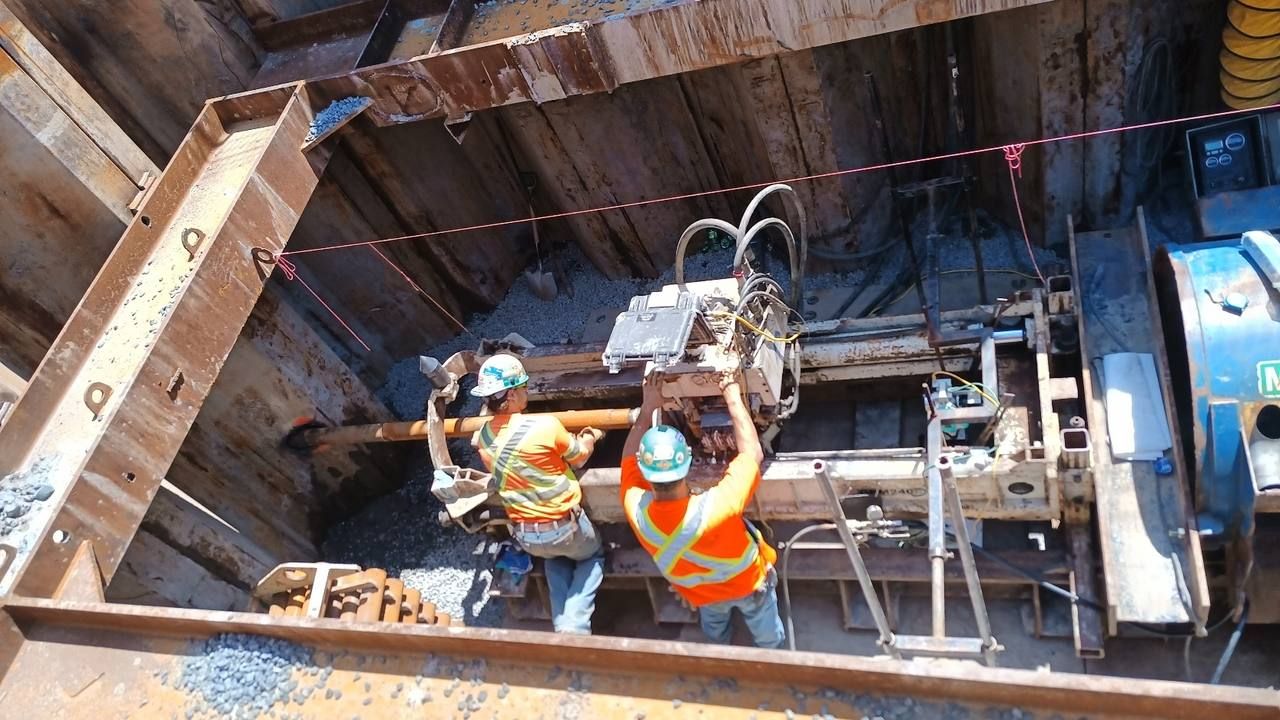
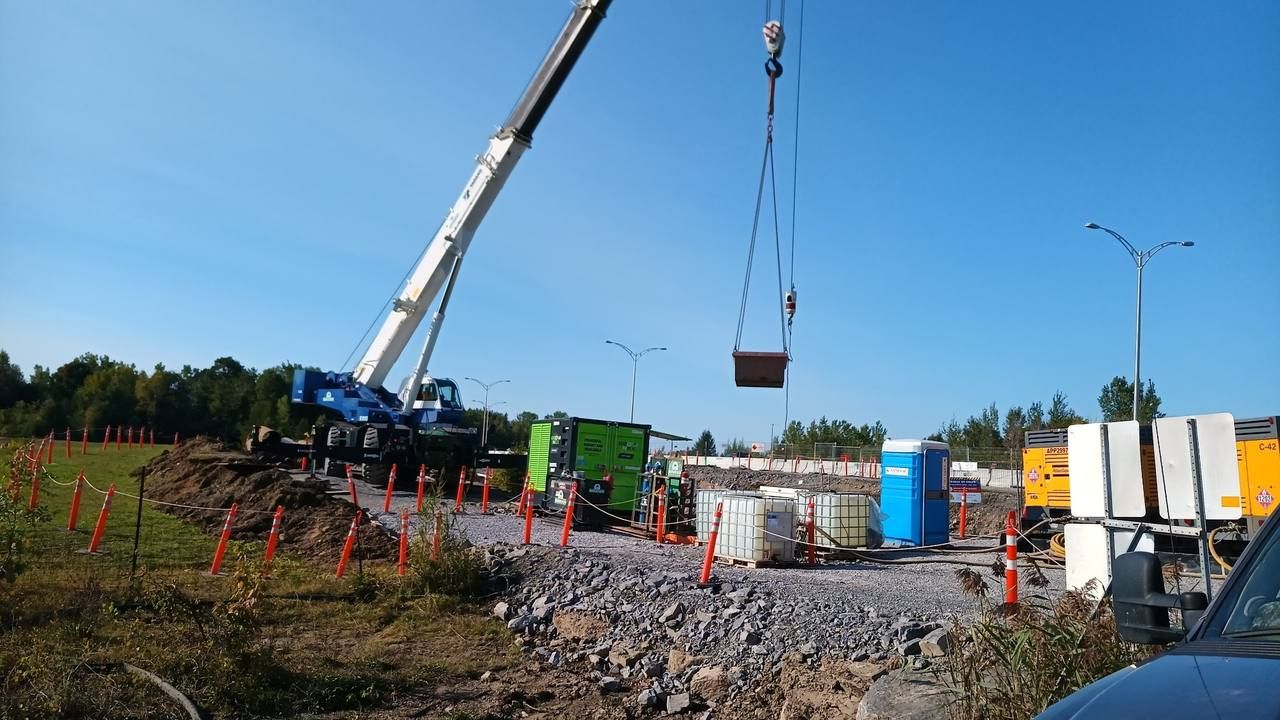
The module covers the method step by step, the question of vibrations, the equipment (including the often-overlooked crane) and the challenges met on recent job sites.
Objectives
By the end of the module, you will be able to:
- Distinguish between the three horizontal steel casing boring methods
- Describe the pipe ramming method, step by step
- Explain the annular space and its link with the risk of settlement
- Answer questions about vibrations based on measurements taken
- Weigh the advantages and drawbacks of pipe ramming
Outline
- The three steel casing boring methods
- When to choose horizontal boring
- Pipe ramming, step by step
- Annular space and risk of settlement
- Vibrations: what the measurements show
- Advantages, drawbacks and equipment
- Lessons learned: accuracy and soil plugging
Other modules
-
 FREN ST01G-FHD
-
 FREN ST01G-CFD
-
 FREN ST01G-FHR
-
 FREN ST01G-TAR
-
 FREN ST01G-MFT
-
 FREN ST01G-FHG
-
 FREN ST01G-SST